

 中文简体
 English
 Deutsch
 русский
 Español

Household Ladder Series Factory: One Hinge, Five Ladders, and the Space Between the Stool and the Job Site
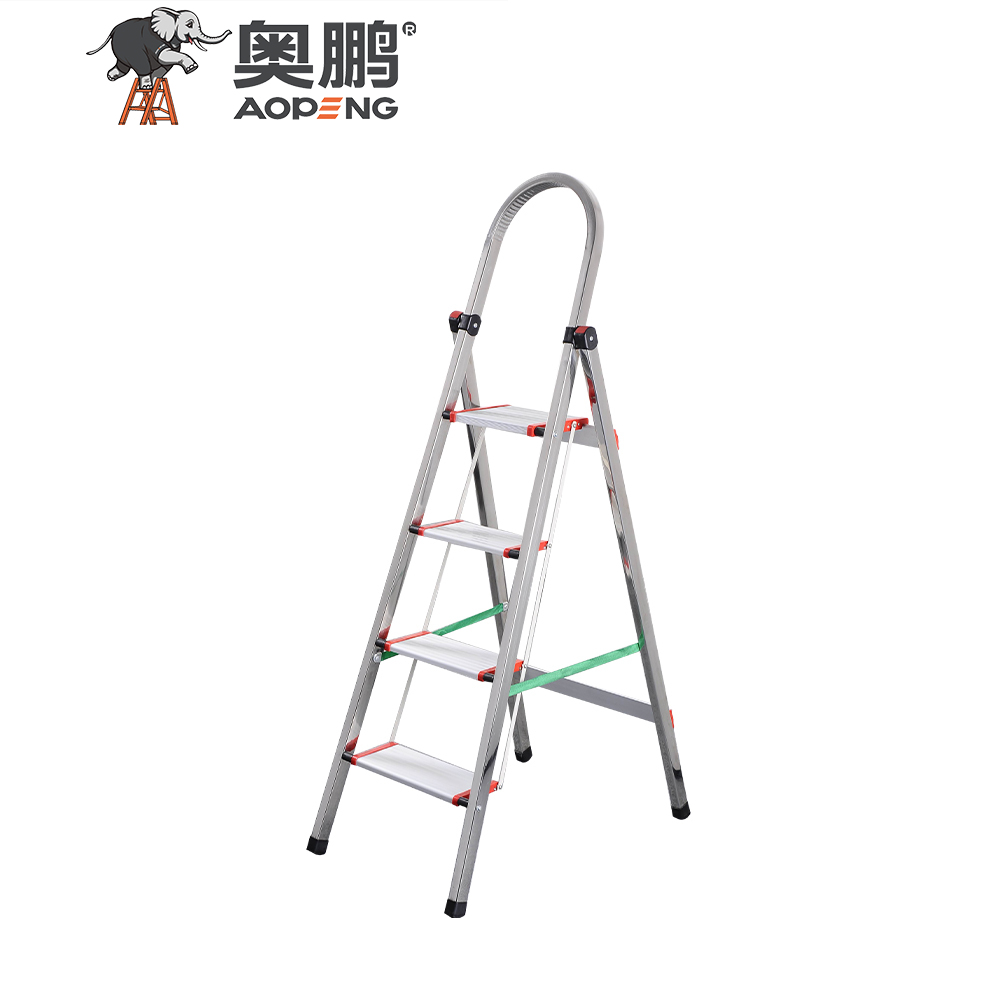
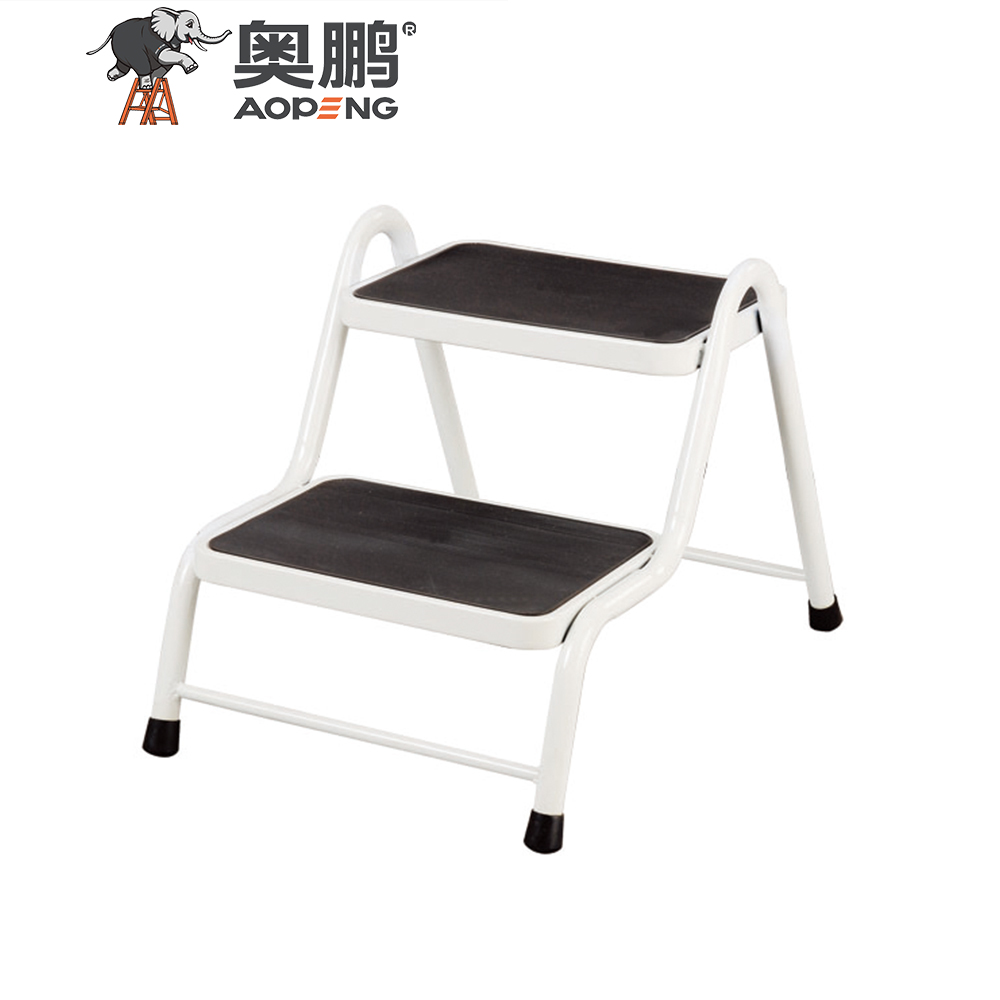
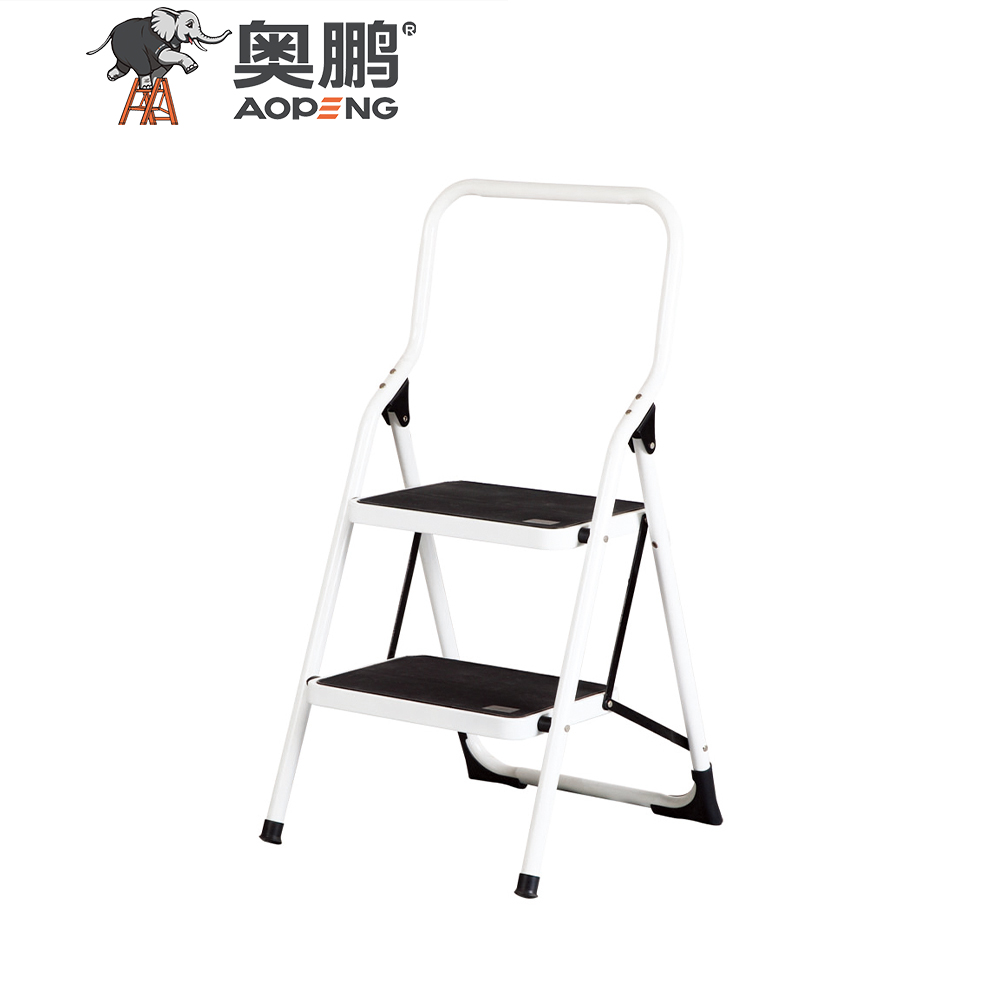
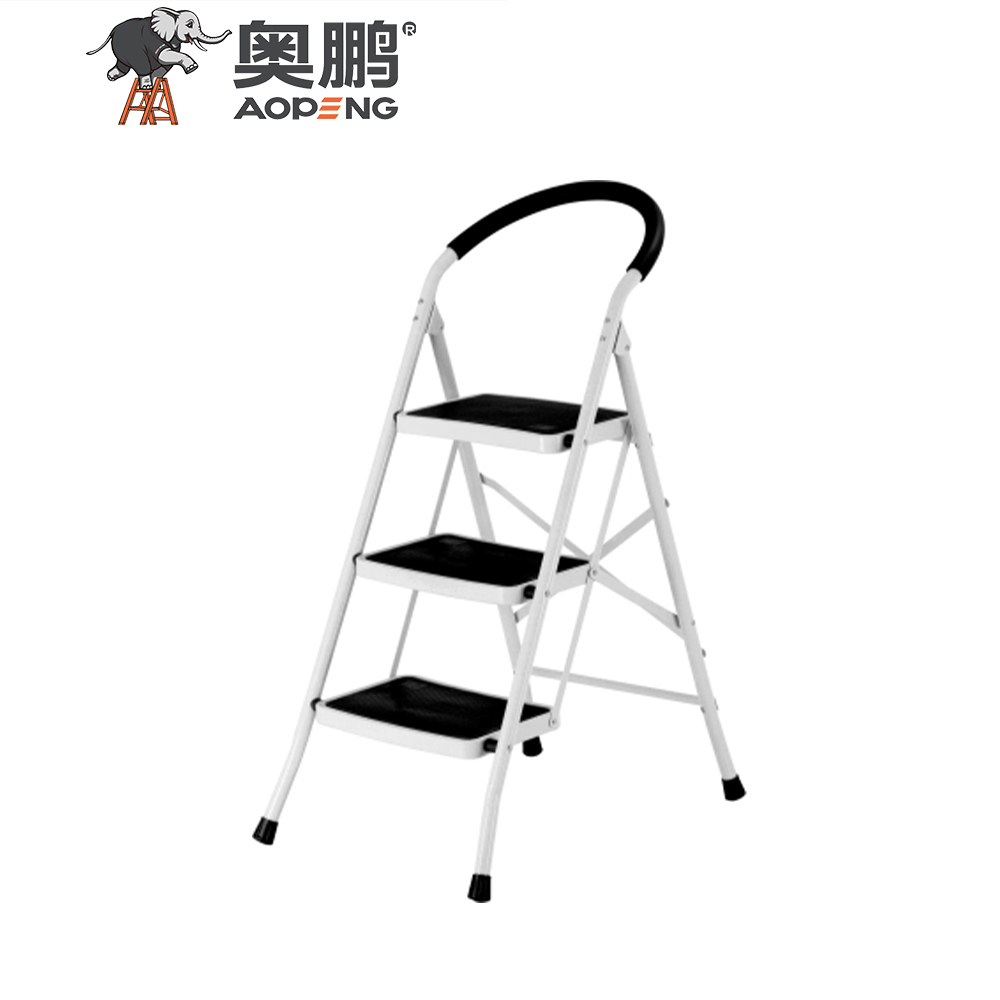
A homeowner does not need a contractor ladder. They need something that reaches the top shelf, folds flat, and does not weigh more than the groceries. The household ladder series factory builds that family of products. The step stool, the three-step, the four-step A-frame, the multi-position ladder. One hinge design, one set of feet, one finish, scaled across the sizes the home actually uses. The retailer stocks the range. The customer buys the one for the job and comes back for the next size when a different job appears.
Why the Hinge Is the Whole Product
Everything else on a folding ladder can be simple. The hinge cannot. It locks the ladder open and holds it while a person stands on the top step. If it releases, the ladder folds with the user on it.
A steel hinge with a positive lock is the baseline. Plastic hinges fail. Weak springs fail. A hinge that feels tight on the showroom floor and loose after a season in the garage is a hinge that was never built for the load. The factory that tests the hinge through thousands of open-close cycles ships a ladder the customer trusts.
The Weight the Customer Carries
A homeowner carries the ladder from the garage to the kitchen, from the closet to the porch. An aluminum frame makes that possible. Steel is cheaper and stronger, but the weight shows up in the arms.
The household ladder series factory picks the material by size. The small step stool can carry steel. The four-step and the multi-position ladder need aluminum. The customer notices the difference at the checkout and again at home.
The Step That Has to Grip in Socks
The top step of a step stool is a platform. The steps of an A-frame are standing surfaces. The tread has to grip a bare foot in socks as well as a shoe. A textured coating or a rubber mat does the job. A smooth metal step does not.
Here is what the series has to get right:
- Steel hinge with a positive lock
- Aluminum frame on the larger sizes
- Slip-resistant tread on every standing surface
- Non-marking rubber feet
- Load rating marked on the ladder
- Consistent components across the range
The Range Is the Product
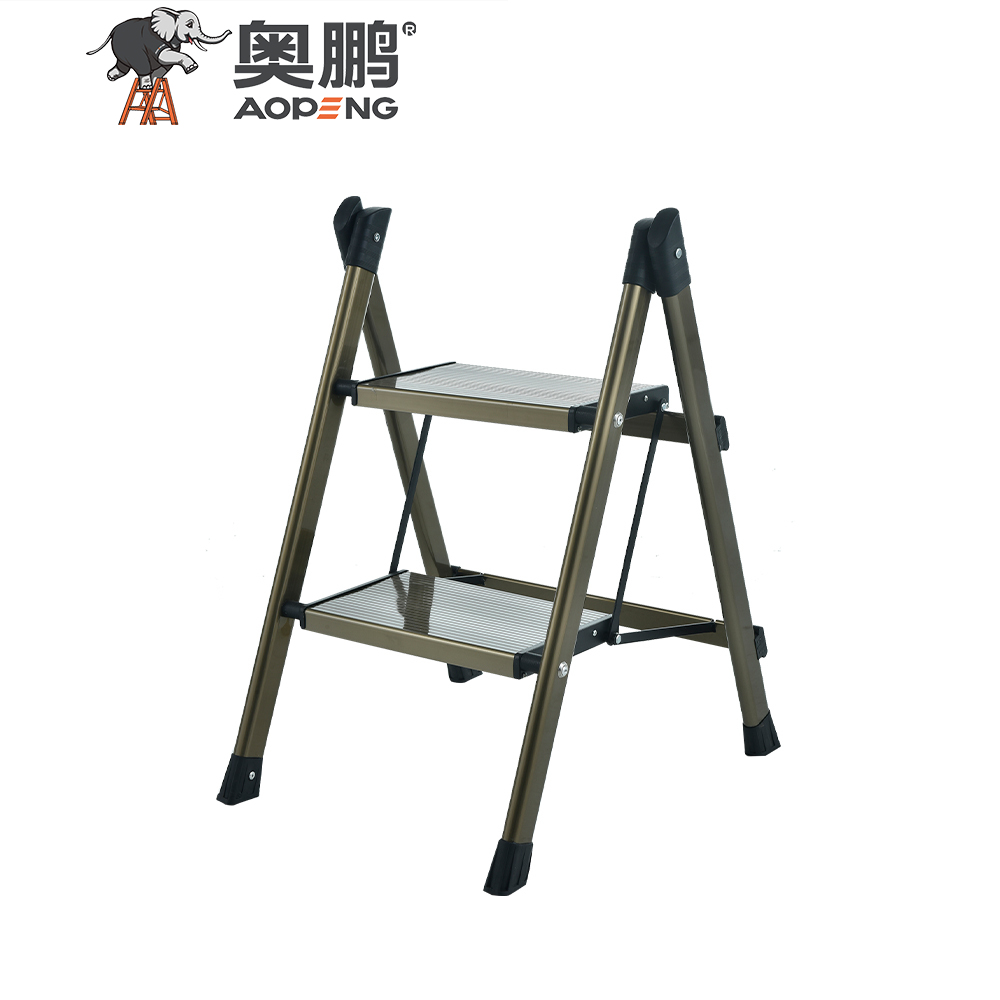
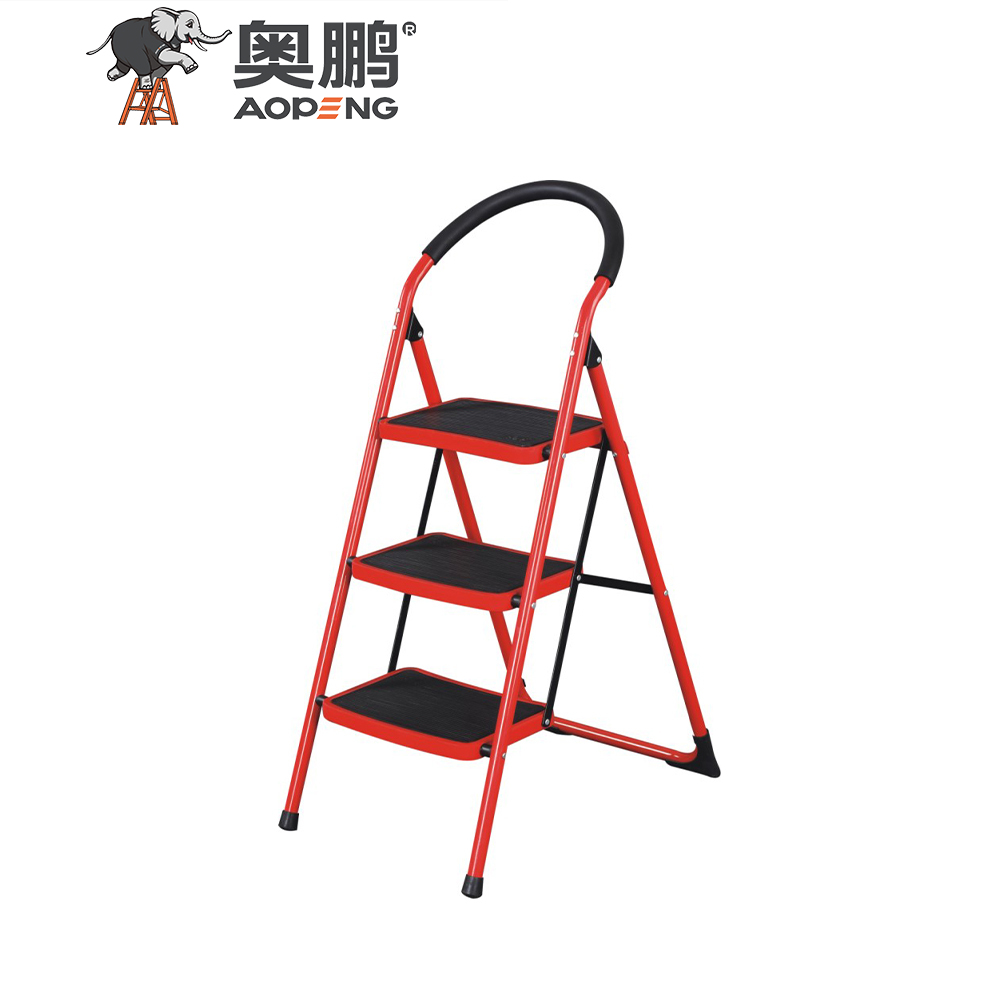
One ladder does not cover the house. The two-step reaches the kitchen cabinet. The four-step reaches the garage shelf. The multi-position ladder reaches the stairwell and the roof edge. The customer who buys one and likes it buys the next one. The factory that builds the range on shared components makes the second sale easy.
What the Retailer Actually Needs
A ladder that ships with a clear load rating and retail packaging sells itself. A ladder with a blurry sticker and a box that falls apart does not. The factory that treats the packaging as part of the product supports the retailer.
The Ladder That Comes Back
The return rate on a cheap ladder is high. The hinge loosens, the step bends, the feet fall off. Each return costs the retailer and the brand. A ladder built with the right hinge and the right material does not come back. That is the metric the factory is judged on, whether the buyer writes it down or not.