

 中文简体
 English
 Deutsch
 русский
 Español

Ladder Folding Step Stools: The Storage Dimension Most Buyers Misjudge
"Ladder folding step stool" pulls about 12,000 monthly searches in North America. What people actually want: something that stands up when needed, disappears when not. The industry has several names—step stool, folding ladder, portable platform—but the intent stays consistent. Ceiling-height access without permanent floor space commitment.
The problem lives on the spec sheet. Manufacturers highlight step count, weight rating, opened height. They bury folded depth. That metric determines whether the unit hangs on a wall hook or leans against the wall becoming a trip hazard.
What This Category Actually Includes
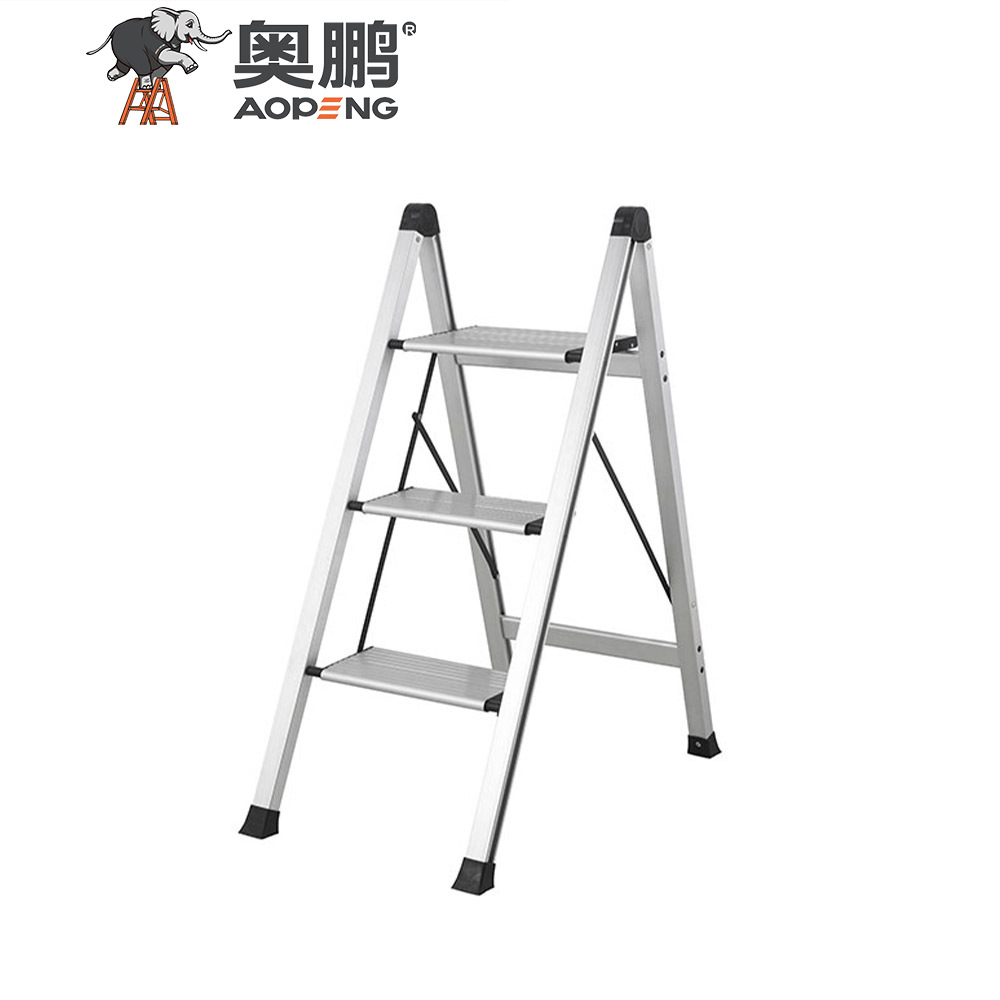
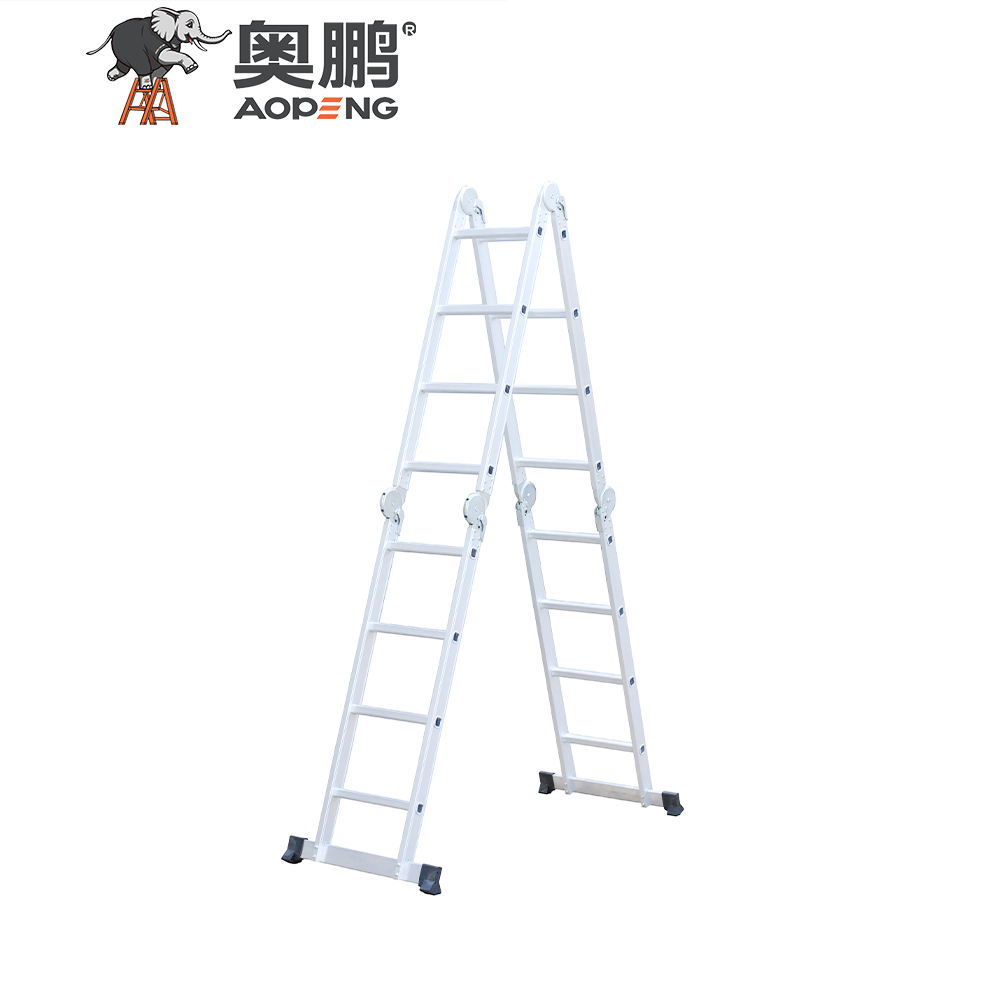
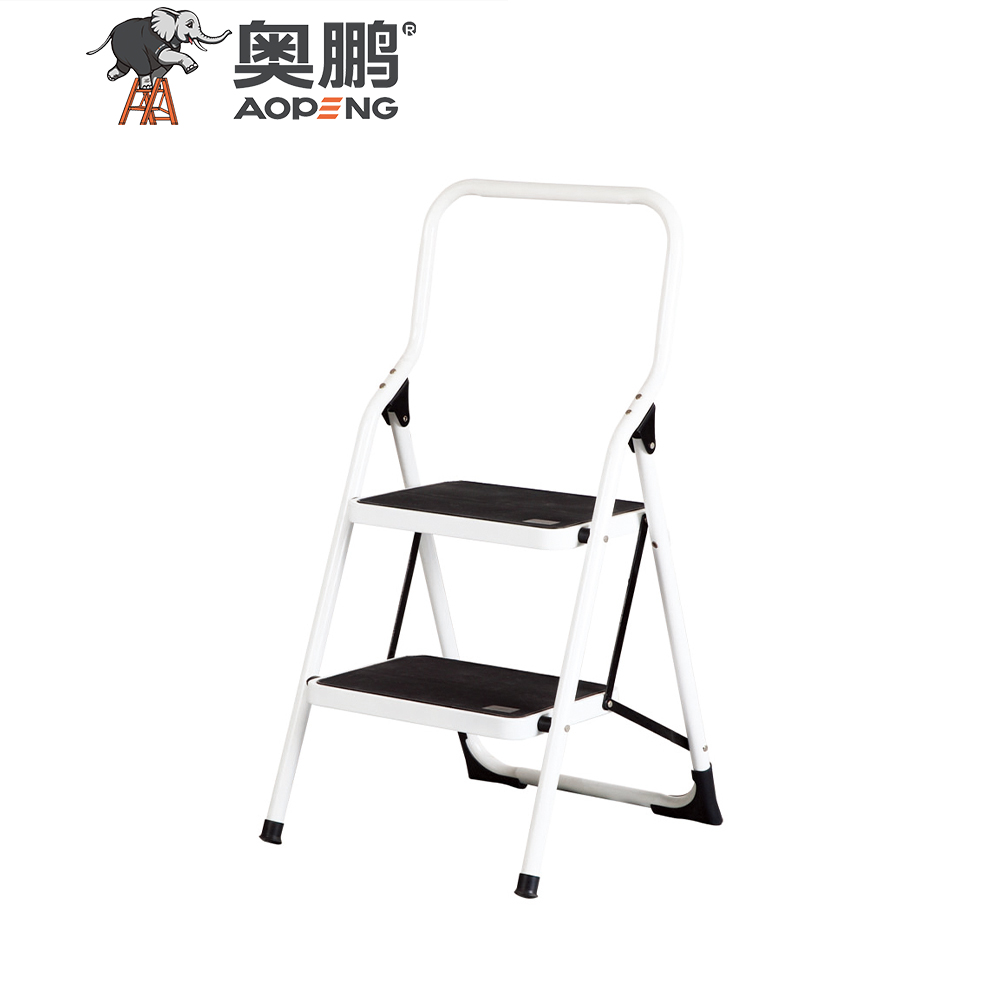
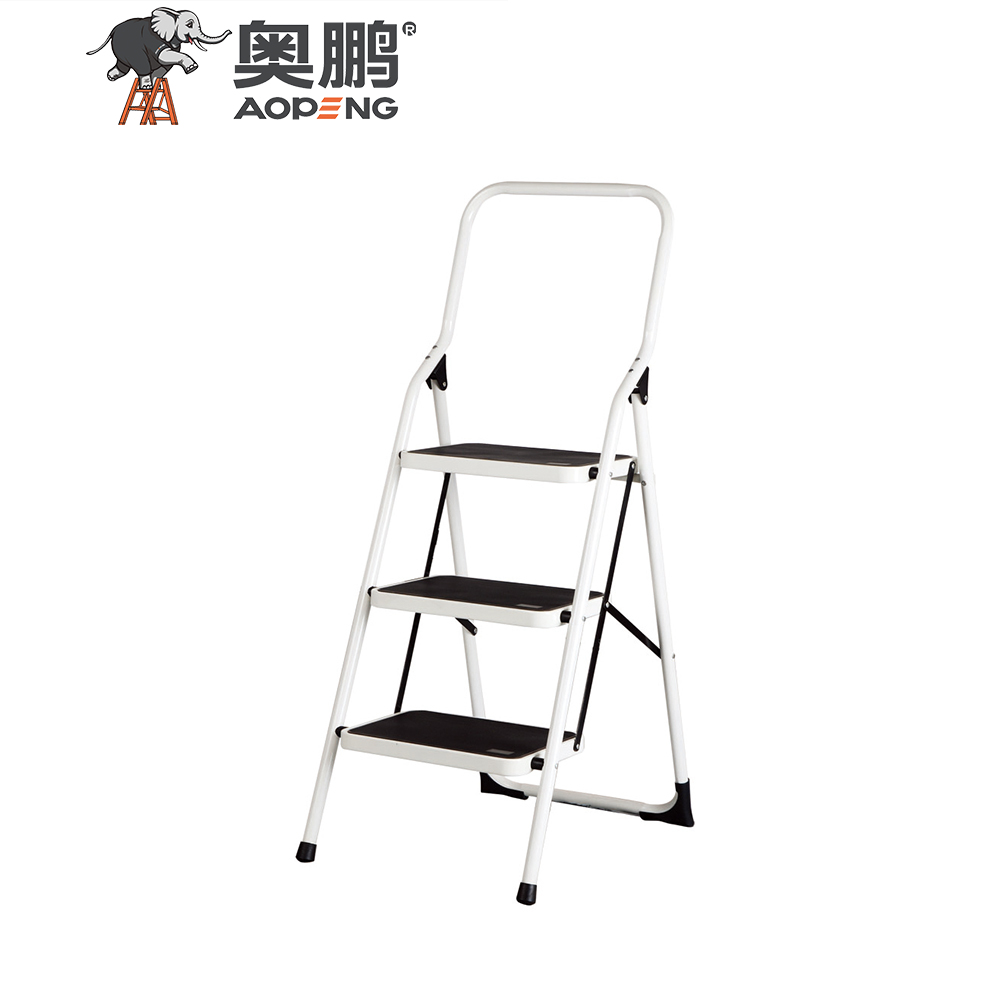
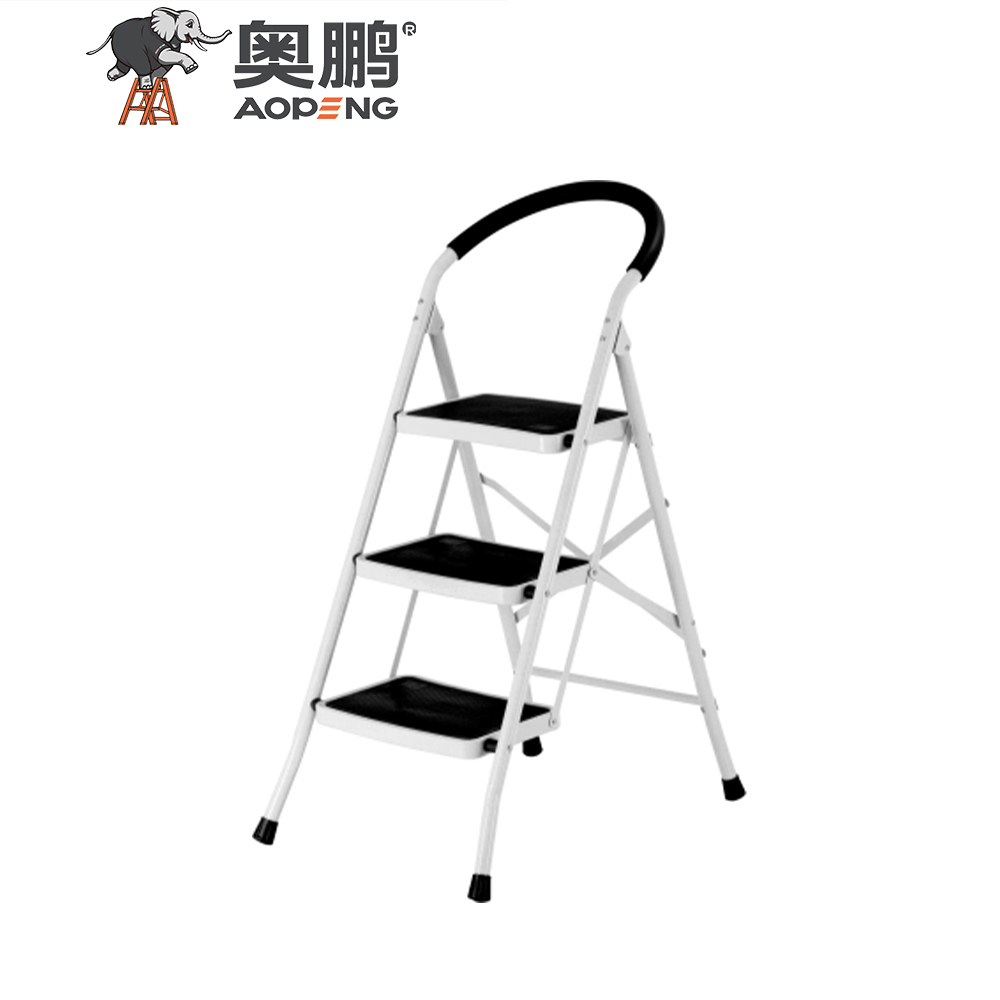
A ladder folding step stool is a self-supporting unit with a hinged A-frame, flat treads, and a collapsed profile thin enough to slide behind a door or hang on a wall hook. Step count runs two to four. Working height tops out around 30 to 36 inches, putting the user's hands at roughly 8 to 9 feet.
Key differentiators:
- Step width – 12 to 16 inches. Narrower fits tight spaces but feels less stable. Wider offers comfort, stores less efficiently.
- Spreader mechanism – scissor-style braces lock more securely than single-bar snap locks. Audible click matters. Quiet hinge usually means worn engagement surfaces.
- Top platform material – diamond plate grips decently dry; rubber-ribbed treads perform better with wet or oily footwear.
- Hinge construction – riveted hinges loosen over time. Bolted hinges allow tightening but require attention.
A facility manager in the Pacific Northwest told me their maintenance crew abandoned the steel folding units purchased in 2024. Not because the stools broke. Folded depth measured 8 inches. Service truck compartments clear only 6. Those stools now sit in a corner. The crew drags full-size ladders into jobs that needed only a stool.
Where Users Actually Deploy These
Residential ceiling access
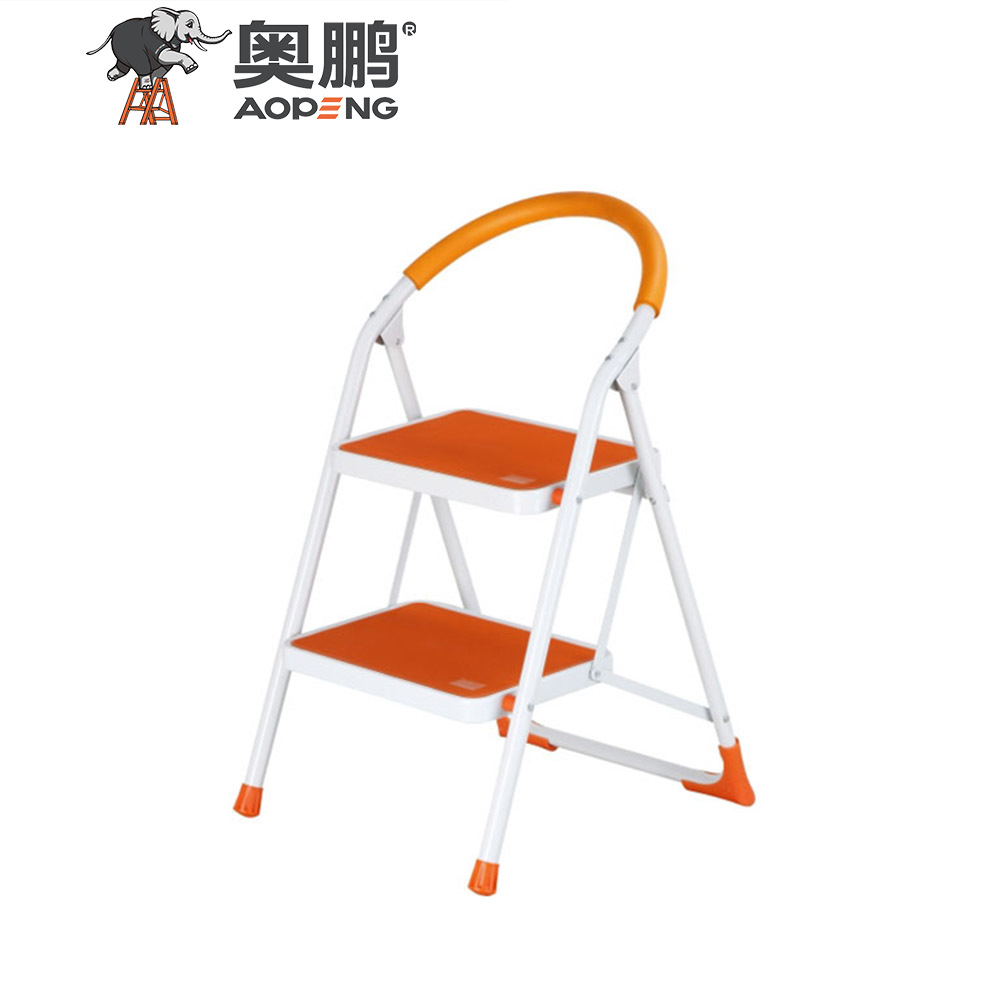
Changing bulbs, reaching HVAC filters, top-shelf cabinets. A typical homeowner uses a folding step stool with handrail two or three times per month. The handrail gives a grip point while the dominant hand handles the bulb or box. Units without it force a one-handed climb, increasing fall risk for users over 60.
Retail stock replenishment
Floor staff restocking top shelves in pharmacies and convenience stores. A lightweight folding step stool under 10 pounds gets moved dozens of times per shift. Aluminum dominates here for portability. Steel variants are too heavy for constant repositioning.
Workshop and garage
Overhead cabinets, pegboard organization, light fixture installation. The folding step stool with tool tray adds utility—holds screws, bits, or small parts within reach, reducing trips up and down.
Material Tradeoffs: Aluminum versus Steel versus Fibreglass
Aluminum
Default for residential and light commercial. A typical aluminum folding step stool weighs 8 to 12 pounds, resists rust, runs $35 to $70. Downside: flex. Aluminum frames deflect under side-loading, which users perceive as instability even when the structure remains sound. For users under 200 pounds and tasks requiring minimal lateral reaching, aluminum works fine. Heavier users or off-center work? The movement undermines confidence.
Steel
Heavier, more rigid, less expensive per pound of material. A heavy duty folding step stool in steel weighs 18 to 25 pounds, costs $40 to $90. Weight becomes a stability asset—steel stools stay planted during lateral reaching. Tradeoff is portability. Mobile crews often avoid steel. Corrosion is the other issue. Steel requires a durable coating—powder coat or galvanized—to survive damp storage. Galvanized legs add about $18 wholesale but extend service from three years to seven in wet environments.
Fibreglass
Non-conductive, weather-resistant. Fibreglass appeals to electricians and outdoor maintenance crews. Weight sits between aluminum and steel. Price lands higher—typically $90 to $150. Fibreglass also absorbs moisture over time, gradually adding weight. For most residential users, the extra cost does not justify the benefit.
What Search Data Reveals about Buyer Priorities
Search behavior around ladder folding step stool shows clear intent splits:
- Compact storage – "folding step stool that fits behind door" or "low profile folding step stool." These users have measured a specific gap. They need collapsed dimensions prominently displayed.
- Weight capacity – "folding step stool 300 lb capacity" or "heavy duty folding step stool for adults." Larger users or those carrying tools. They check the load rating first.
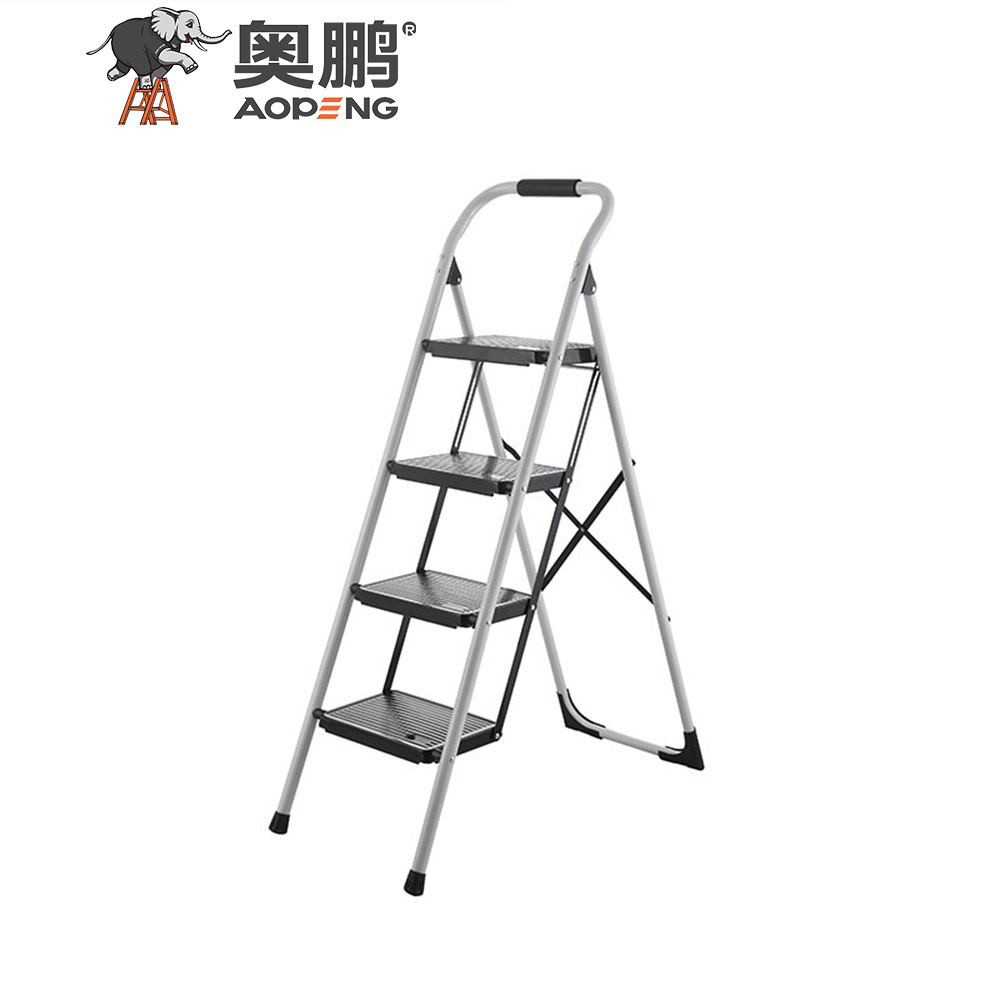
- Safety features – "folding step stool with handle" or "non slip folding step stool." Older users or those with mobility concerns. The handle reduces fall anxiety.
- Multi-purpose – "folding step stool and work platform." DIY users who need tool staging. They want the stool to replace a second trip up and down.
Regional Differences
North American buyers prioritize step width. An 18-inch top step outsells narrower versions 3:1, even in tight aisles. Wider platforms feel safer. Workers accept the storage tradeoff.
European buyers emphasize slip resistance under wet conditions. EN 131-1 certification appears in over 60% of RFQs from Germany and France. Raised stud treads outperform diamond plate when oils are present. Yellow safety striping—common in Europe—rarely appears on US models.
Nordic markets require low-temperature impact-tested materials. Standard aluminum stiffens and gets brittle below freezing. Specialized rubber compounds stay pliable. Suppliers without cold-weather variants rarely succeed there.
When the Hinge Becomes the Weak Point
Hinge failure is the most common terminal condition for folding step stools. Unlike fixed stools, folding units have moving parts that wear with each open-close cycle. Signs of hinge degradation:
- Stiff operation – the stool requires force to open or close. Debris in the hinge pin or bushing wear. Lubrication usually resolves it if caught early.
- Loose spreader arms – the brace no longer locks with a distinct click. Engagement surfaces have worn. This is a replacement trigger.
- Squeaking under load – metal-on-metal friction at the pivot during standing. Dry bearings accelerate wear. A few drops of lightweight oil extend life.
A retail stockroom unit opened 20 times daily hits 5,000 cycles annually. Hinges typically fail between 8,000 and 12,000 cycles depending on material quality—roughly two years of service. Fixed steel stools in identical conditions last eight years. Folding convenience costs about six years of lifespan.
Most households should buy a 3-step aluminum unit with collapsed depth under 5 inches and scissor spreaders. 225-pound capacity covers the majority. Price runs $45 to $65. Skip rubberized step coatings—they peel. Skip decorative finishes—they scratch. Spend extra on a handrail if anyone in the household exceeds 65. The grip point changes mount and dismount mechanics significantly.
Commercial buyers reverse the calculation. Steel usually delivers better total-cost despite the weight. Galvanized or powder-coated with stainless rivets. Scissor spreaders. Phenolic glides if floors see oil or chemicals. The frame outlasts the hinge. Hinge wear becomes the replacement trigger, not structural failure.
Measure your storage clearance before checking step count. That single variable separates equipment that gets used from equipment that gets abandoned.