

 中文简体
 English
 Deutsch
 русский
 Español

Three Step Ladders: Why Gauge Thickness and Tread Pattern Actually Determine Service Life
The Three Step Ladder does not get much attention in trade publications. No batteries, no Bluetooth, no annual model refresh. Just welded tube, a hinge pin, and four feet that either stay put or send someone to the clinic. But walk any auto shop, warehouse receiving bay, or commercial kitchen, and you will find them everywhere—usually the wrong one for the floor conditions.
The purchase decision often defaults to whatever the local supplier has in stock. That is a mistake. Steel gauge, foot material, and tread attachment determine whether a unit lasts eight years or eighteen months. The difference is not visible from three feet away.
What Separates a Serviceable Unit from a Liability
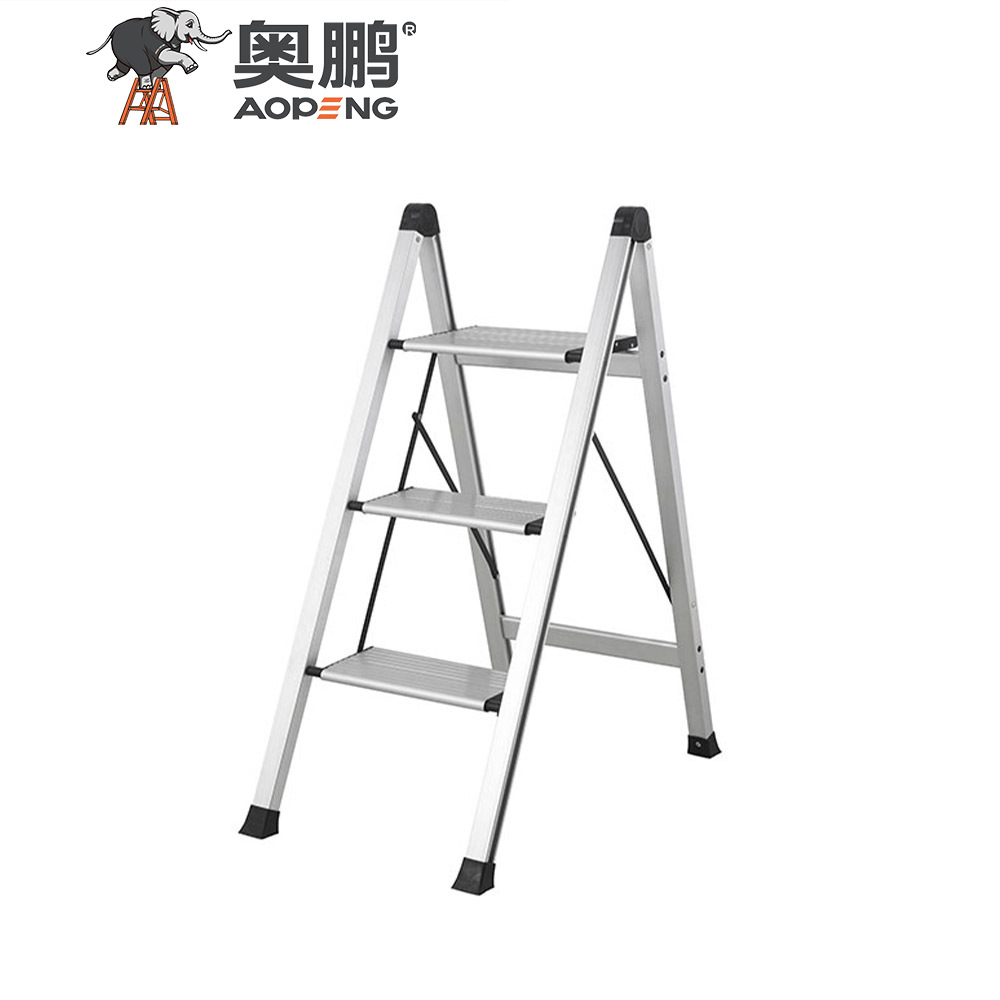
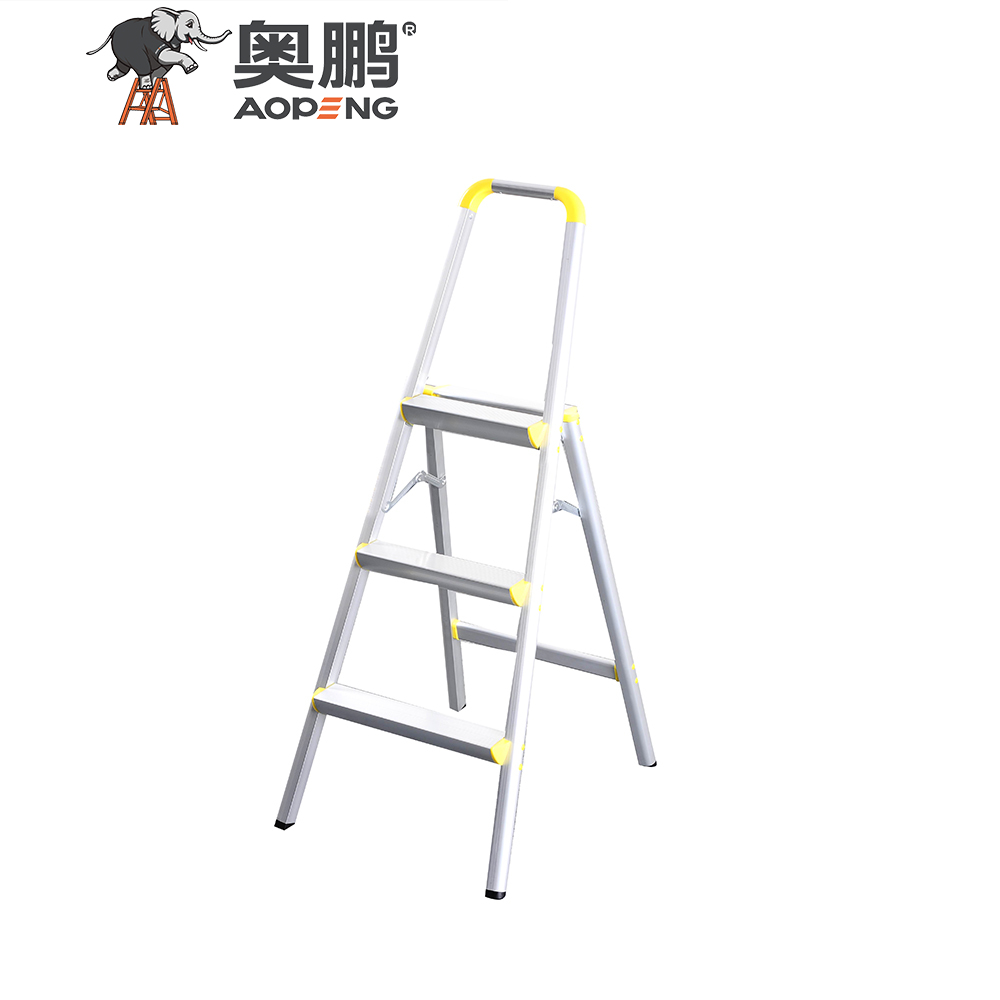
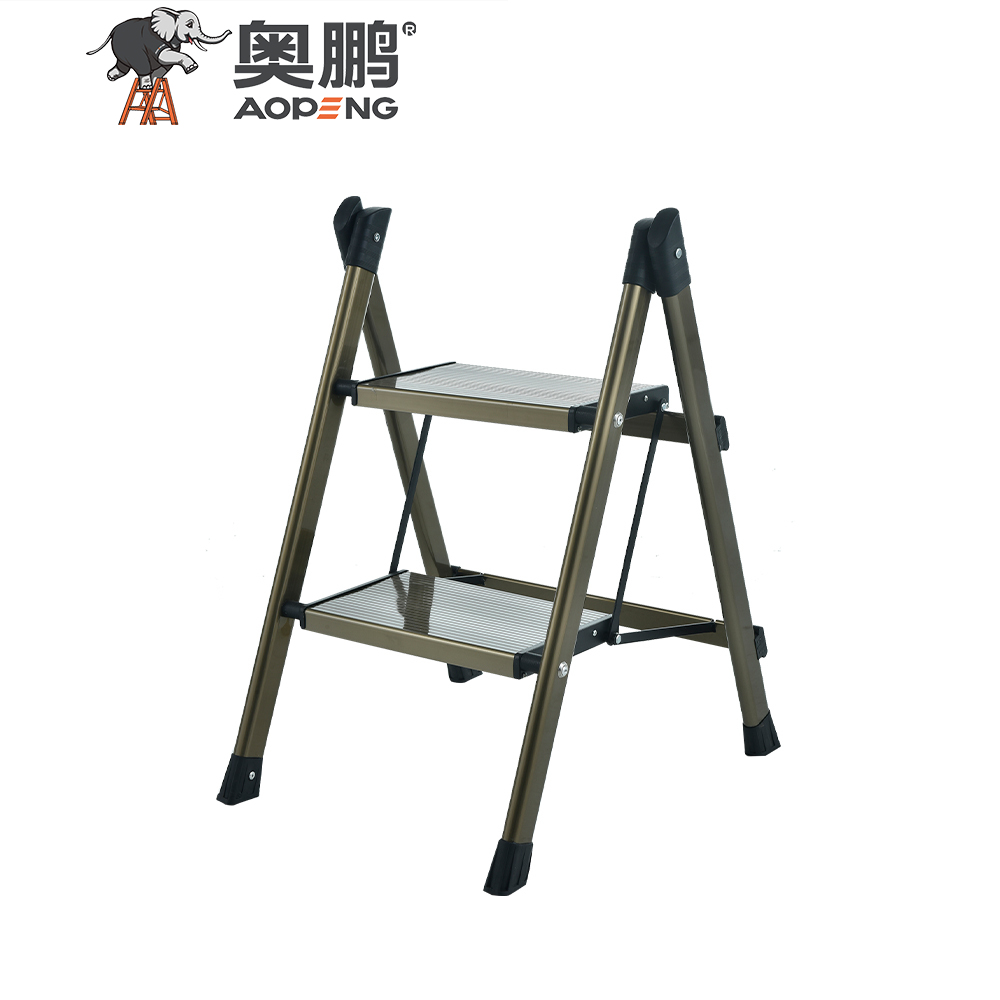
A Three Step Ladder is not a ladder. It stands on four legs, spreads to an A-frame, and tops out around 30 inches. The "three step" refers to the number of platforms—first at 8 inches, second at 16, top at 24. User hand height lands around 8.5 feet.
Critical variables:
- Gauge – 18-gauge is light commercial; 16-gauge is standard industrial; 14-gauge adds weight without much benefit unless the stool takes repeated impact from carts or dropped tools
- Tube diameter – often omitted from spec sheets. A 1-inch 16-gauge tube resists side-bending better than a ¾-inch 14-gauge tube. Check this before gauge
- Weld type – continuous bead welds outlast tack welds. Tack-welded frames develop hairline cracks around year four, usually found during safety audits
- Foot material – rubber glides grip but degrade with oil; phenolic glides slide but resist chemicals. No universal "best"—depends on floor surface and contaminants
Three Environments, Three Different Specs
Automotive service bays
Technicians stand on these stools for cumulative hours while pulling heads or accessing overhead fluid reels. The killer here is not load failure—it is foot pad degradation. Oil and brake fluid soften rubber glides within months. A heavy duty 3 Step Ladder with phenolic glides and diamond-tread top platform solves this. Shops replacing glides every 14 months keep the frame for a decade.
Commercial food prep
Bakeries and commissaries need sanitation. A 3 Step Ladder with non-slip tread requires powder-coated seamless tubing—no open pipe ends where bacteria collect. Drainage holes on the top step let rinse water escape. Without these, rust starts inside the legs and spreads to welds within two years.
Warehouse picking
Middle-shelf access in e-commerce fulfillment centers. Workers lean sideways to pull cartons. A compact 3 Step Ladder with narrow footprint fits between rack uprights. The weight becomes an advantage—heavier stools stay put during lateral reaching, reducing repositioning between picks.
Steel versus Alternatives: The Real Tradeoffs
Aluminum is lighter. A comparable 3 step folding ladder weighs about 11 pounds against the steel stool's 22 pounds. Mobile crews benefit. But aluminum flexes. A 200-pound user reaching 18 inches off-center feels the platform rock—steel deflects about one-third as much. Rental fleet data shows steel averaging 8.2 years of daily use; aluminum, 4.6 years. The $45 to $60 upfront gap evens out across that extended service window.
Fiberglass costs double and splinters under impact. It makes sense for live electrical work. For general industrial, a painted steel 3 step step stool with rubber feet handles most non-electrical applications at half the price.
Wood belongs in residential garages, not commercial spaces. It absorbs grease, splinters, fails fire codes, and lacks fixed spreader mechanisms. Most insurers surcharge wooden platforms.
What Search Data Reveals about Buyer Intent
Analyzing actual search behavior around steel step stool 3 step shows four distinct clusters:
- Dimensional filters – queries like "narrow steel step stool for tight aisle." These users have measured their space. They need exact inches and centimeters, not "compact" descriptors
- Capacity verification – searches for "Three Step Ladder 350 lb capacity" come from safety officers prepping for audits. They require ANSI documentation, not marketing copy
- Harsh environment – "corrosion resistant steel step stool" or "chemical plant step stool." Coating type and fastener material (stainless rivets vs. plated steel) drive this segment
- Replacement parts – "replacement feet for steel step stool." Existing owners extending life. Manufacturers that publish parts diagrams capture repeat buyers
Regional Differences That Affect Specs
North American buyers prioritize platform width. A wide step 3 Step Ladder with an 18-inch top outsells narrower versions 3:1, even in tight aisles. Wider platforms feel safer, and workers accept the storage tradeoff.
European buyers emphasize slip resistance under wet conditions. EN 131-1 certification appears in over 60% of RFQs from Germany and France. Raised stud treads outperform diamond plate when oils are present. Yellow safety striping on the top step—common in Europe—rarely appears on US models.
Nordic markets require low-temperature impact-tested steel and rubber compounds that stay pliable below freezing. Standard stools stiffen and crack in these conditions.
When to Replace: Ignore the Calendar, Check the Joints
Three indicators matter more than age:
- Hinge slop – grasp the top step and rock side-to-side. Visible play at the pivot means hinge pins have ovalized their holes. This leads to sudden collapse during lateral reaching.
- Tread delamination – slip coating peeling at the leading edge. Once delamination exceeds 25% of step surface, exposed steel becomes slick. Replacement treads cost about 40% of a new stool—often not worth it unless the frame is pristine.
- Weld rust – orange bleeding through paint at welded intersections indicates porosity in the weld pool. Surface rust on tubes is cosmetic; rust at welds is structural. Replace immediately.
The Three Step Ladder market is mature. No innovations to chase. But matching gauge, tread, feet, and footprint to actual floor conditions determines whether the next order lasts until 2034 or gets recycled in 2028.
Spec the tube diameter alongside the gauge. Verify weld type. And if your current fleet wobbles, slips, or shows orange at the joints, those are replacement triggers—not maintenance items.